
The sleep aid industry has a powerful grip on the world, but even the most effective prescription drugs have their downsides: side-effects, limited access and prohibitive costs. That’s why countless people turn to herbs, which have been tested for hundreds of years by herbalists and naturopaths –versus the standard 6 months of testing for the average pharmaceutical.
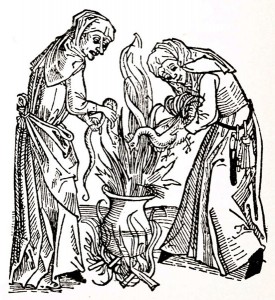
Folk medicine was suppressed in Europe thanks to the cultural forces from Rome, and many herbalists were burned at the stake for their uncanny knowledge of the natural world.
Much of this suppression was due to women herbalists’ promotion of safe and effective birth control through the use of herbs, as well as their wisdom in procuring altered states of consciousness for healing and shamanic information retrieval. Western culture sent these healing methods underground and repressed all kinds of herbal knowledge along with it.
Herbal Knowledge is Doubly Tabooed
This old religious taboo against “folk medicine” carried over in the early 20th century, when the study of herbs was dropped for good in favor of the more profitable chemical methods of synthesization.
So we have a double taboo against studying herbs: an ancient religious doctrine combined with commercial scientific interests.
This hasn’t stopped the modern pharmaceutical industry from plundering indigenous knowledge bases about herbs, of course, but it has limited the public funding opportunities for current studies on the effectiveness of many revered and powerful herbs and plant medicines.
A quick note: Herbs do not = safe. Some herbs may actually counteract other prescription drugs or be dangerous if used in combination with alcohol or sedatives, and others may be dangerous when combined with antidepressants.
See your medical provider if you have doubts, and do your homework before trying any herbal remedy. I am providing some reputable resources at the end of the article to consult for further reading.
Valerian
Valerian root has a long history of use as a mild sedative. Taken as supplement, valerian reduces the amount of time to slip into deep sleep. Valerian with hops also has some clinically proven results for sleeplessness, according to a 2005 study reported in the journal Sleep. It is also regularly combined with kava kava, but beware of this if you have diagnosed liver or kidney problems.
Several clinical studies suggest that valerian alone is not effective in the long-term for insomnia. I would say that, in general, any difficultly sleeping that lasts over two weeks may require more medical assistance than any herb can provide.
Lemon Balm
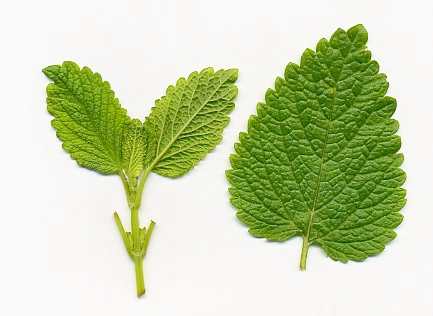
Lemon balm, or Melissa officinalis, has been used as a relaxant since the Middle Ages in European folk medicine. It has a clean, refreshing citrus smell so you can take it in a tea or as a supplement. Add it to your dream pillow, while you’re at it.
The effects of lemon balm are more than wishful thinking/placebo. A 2003 study in the journal Neuropsychopharmolocology found that lemon balm indirectly encourages sleep by improving mood and inducing mental calmness. Lemon balm can be called a nootropic, or a brain-enhancing supplement, as it can improve cognitive performance too.
I just brewed a mead (honey wine) with lemon balm and mugwort: it’s still fermenting but we’ve already named it “the Dreamer’s Mead.”
Passion Flower
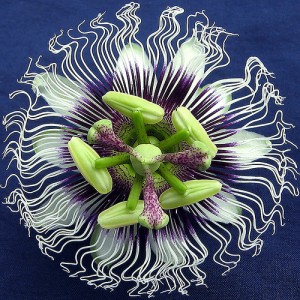
Most European herbal sleep remedies contain passion flower, or Passiflora incarnata, even though the plant comes from the tropical regions of the Americas, where it was widely used by the Aztecs, according to journals from 16th century conquistadors.
The leaves and flowers have a mild flavor, and has a reputation for reducing anxiety and sleeplessness caused by anxiety.
While few peer-reviewed studies have been funded for passion flower, it is actually listed as a herbal tranquilizer in Germany. According to the Gale Encyclopedia of Alternative Medicine, the active ingredients may be harmaline and harmine, so do not use passion flower if you take MAOI antidepressants, as sedative effects may be amplified.
Chamomile
Chamomile may be the most recognized sleep aid, but actually many clinical studies have shown no effects of the herb for those suffering with chronic insomnia. Is chamomile a placebo due to its yummy scent? I don’t think so. Chamomile may indirectly promote sleep by increasing mental calmness.
A recent study by University of Pennsylvania researchers found that chamomile significantly reduces the symptoms of generalized anxiety disorder. This double blind study even pitted the active ingredient against a placebo pill that smelled like chamomile.
So stock up on chamomile if you haven’t already. By the way, there are many grades and species of chamomile: make sure you find German chamomile, or Matricaria recutita.
Kava Kava

Our knowledge of Kava, or Piper methysticum, comes from indigenous cultures in the Western Pacific, who have used the roots of this shrub in intoxicating beverages for centuries. Like many of the “sleep herbs” listed here, kava is not technically a sedative, and has had mixed results in treating insomnia. Most clinical sources say it’s not effective, although it remains classified as a hypnotic.
Like chamomile and lemon balm, kava can promote sleep by decreasing anxiety. In fact the National Institutes of Health suggests that kava may be just as effective as Valium for promoting calmness.
Be warned, kava has a bad reputation because several herbal remedies with kava have been implicated in cases of liver toxicity in Europe. We do not know what exactly is to blame in these cases, such as kava overdosing or contaminates from other sources. Definitely do not take kava if you have liver issues or are taking drugs that affect the liver.
Recommended Sleep Supplement
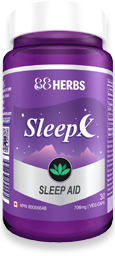 If you’re looking for an easy and safe way to explore natural sleep supplements, I personally recommend SleepX by 88Herbs. I’ve personally had good results with SleepX after experiencing a few days of interrupted sleep (sponsored by the midnight road crew that tore up and replaced the road in front of our house.) SleepX is a good choice for regulating your sleep cycle after international travel as well as promoting relaxation before sleep during stressful times.
Each capsule of SleepX contains passionflower along with the following sleep-promoting amino acids, enzymes and vitamins: melatonin, l-tryptophan, 5-HTP, and l-theanin, as well as Vitamin B3 and magnesium. All of these supplements have excellent evidence for regulating sleep. What’s more, the quality of the passionflower extract is highly rated and better sourced than most I’ve seen on the market. Check out SleepX here.
Top image credit: thanks to JustupTown
References
Sleep: Valerian-hops Combination and Diphenhydramine for Treating Insomnia
Neuropsychopharmocology: Modulation of mood and cognitive performance following acute administration of single doses of Melissa officinalis (Lemon balm)
University of Maryland Medical Center: Passionflower
National Center for Alternative and Complementary Medicine: Study Shows Chamomile Capsules Ease Anxiety Symptoms
Journal of Psychopharmacology: Medicinal Plants for Insomnia
National Institutes of Health: Kava
The Gale Encyclopedia of Alternative Medicine, 2001.
Eve’s Herbs: a history of contraception and abortion in the West, by John Riddle.
This article is excerpted from my ebook Dream Like a Boss! (Book 1).
Melatonin helps but its not a erb
thanks Will — I’ll be covering melatonin as a sleep aid soon.
Five to fifteen mg of Melatonin is help full in promoting sounder sleep. I have used it for many months with success.
The two dietary supplements that have worked for me are:
Melatonin Plus which contains 3 mg melatonin and 25 mg of theanine. Theanine is a green tea extract which promotes calm and stress relief and deep sleep. One must experiment with the dosage. I only take one third of one pill occasionally.
The second is Coquelicot produced by Arkpoharma. This is a French product and is created from the poppy flower. (Not the opium variety). This product restores calm and serenity and can produce interesting dreams.
Working on a gravatar!
Melatonin also dramatically intensifies dreams for many people. It’s something I first noted myself many years ago, so I set up an informal web survey to gauge the experiences of others. Nearly all the respondents noted an increase in frequency and/or intensity of their dreams.
If you take melatonin regularly, the effect lessens. But it’s a great way to experiment with your dreams. In my case, the dreams were often so vivid and intense that I’d wake up from them — not the best way to get a good night’s sleep, but fascinating.
Sooooo very true, and not only are my dreams more vivid, I have found that taking melatonin 3mg each nite assists in my dream recall ability as well! I’ve also grown lemon balm for years and find simply the smell of fresh cut lemon balm in a vase cannot be beat for just an overall good feeling. Extremely easy to grow, beautiful looking, and good as a hot tea as well! Comes back every year with pretty much zero maintenance! Too easy….highly recommended….
A very informative article. Please allow me to add some kava perspective.
Drinking liquid kava prepared as we have in the Western Pacific for centuries is the best way to use kava. Liver toxicity in all cases has been through the use of pills that pharmaceuticals have churned out.
As in all things natural is truthful, while artificial may not be.
Kava kava
is good for you.
Of those mentioned, I’ve found only Kava effective, but it should not be taken on regular basis. For equally effective herb that can be used regularly, only Rooibos will do! Been using it every night for near three years.
I need help for my 20 son he has severe insomnia, ADHD, anxiety, and no melatonin production if he does it doesn’t work. He doesn’t enter rem sleep ever I also have a problem of not entering rem sleep I don’t sleep long enough the only way we survive is power naps during the day which consist of 30 min to 1 hour. We are literally losing our minds because of lack of sleep. He is a student at a local community college and needs help to sleep. He is taking GABA and it doesn’t matter how many it doesn’t work and he is still hyper. Please Help If you suggest any prescription meds we have already been down that road he was on 900 mg of seraquel and 60mg of ambiean at the same time and no sleep occurred only weight gain and awake a solid week.
Make sure he is consuming NO caffeine or other stimulants at all… that means no chocolate, ginseng, etc.
Your problem sounds familiar, been there. A multi-facited approach helped here. There is usually an underlying problem causing everything and it can be difficult to pinpoint. I would like to suggest that you research nine things and then consult with a local, knowledgeable herb shop. (1) Ashwagandha – ADHD. (2) Skullcap (3) Huperzine-A (4) Niacinamide NOT niacin – mental focus. Taking HIgh Quality (5) Omegas 3,5,6,7,9s and a (6) multi-B complex DAILY & Exercise is VERY important -ADHD (7) avoiding processed foods, (dyes, gluten, sugars, etc.) increase organic food & chemical free produce. If a child can’t pronounce the foods ingredients, avoid it. Sometimes the body just needs a break from all of the artificial things we ingest–think overload– because Candida can grow out of control and feeds all of the symptoms you listed (8) google candida spit test and if positive, consider garlic pills containing ALLICIN. Adding (9) Meditation, it calms everything down after a few sessions. Some Buddhists temples allow you to sit in and instruct you on the proper way to achieve “calm”. I am not a practicing Buddhist but I am fascinated by their mental calmness. Herbs may take longer to work than big pharma’s “magic pills” but they work “with” the body. Vyvanse/GABA by day and Zyprexa by night were the prescribed evils here. They HORRIBLY taxed the body & created a vicious cycle and moods. This led us to our natural search. I swear by SAM-E (Jarrow brand only) for increased serotonin but it does interact with SSRIs like GABA. Maybe a a Naturopathic (ND) or Ayurvedic practitioner could be of help. Wishing him well!
Hi everyone,
I just wanted to share some tips with you maybe may help if you haven’t tried yet
This herb it is called “Kratom” and comes under various strength I suggest to experiment with what you consider best and small quantities and then go up until you find your desired results. I recommend over all this precious herb for pain management, for stress, anxiety, insomnia, lack of mental strength and focus, we’ll being, mood problems,ect,ect.
My older son have ADHD and I know what a struggle is for your boy to go to sleep, to cope during day time without enough rest is hard to endure I know that too, cause I’ve been there myself as we’ll. we do suffer insomnia for my family side and he got it really really bad!!! that whenever he is in his Aderall medication in school time, he doesn’t sleept in days (5-6) days) just in the day when come home take a long long nap. Even if I skip his med every other day still the same problem. Plus not eat much neither!
You will tell his mood was irritable, snappy, grumpy , just not nice and I knew why
Anyway since I started trying myself Kratom for my knees pains, I liked the relax and my great nights effects and tried half cup tea with my son, after 15 minutes the effect was effective in that he was calm, but not zombie type as with the med! Not this is so natural you can not tell if someone is taking it or not, also his focus was noticeable too, he went to take a shower got dressed nicely and got interested in playing with his cars collection he loves racing and cute cars (Saleen, camaro), ect. suddenly just decided stop playing his Xbox, besides this have helped him a lot a lot that I can’t put into words my English isn’t well enough I hope you gather the context of what I meant to said please, just give it a try for yourself, or for your love one, I know you will be glad you did and I guarantee you whatever may be the problem it does take half and half to be cured or feel well again it is faith and remedy neither one work alone.
Take care,